
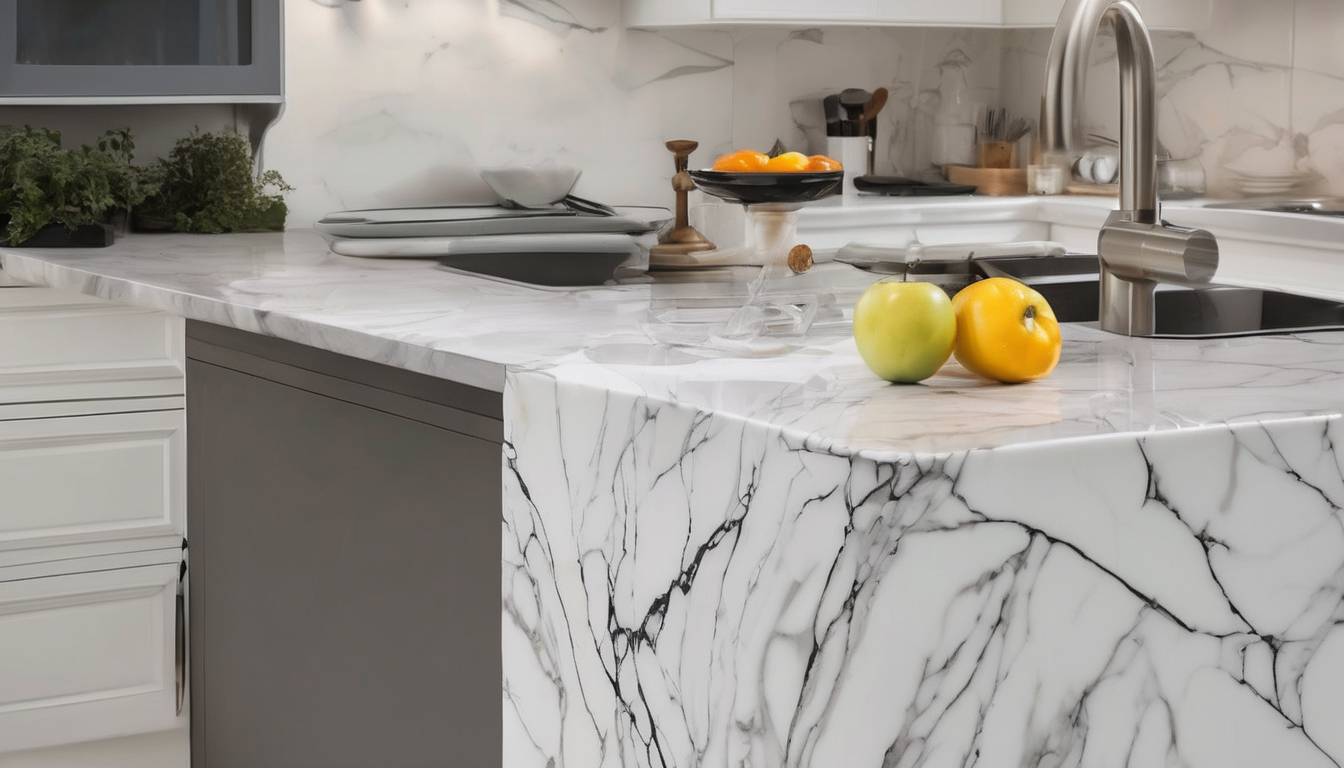

An epoxy resin finish on kitchen countertops is sought after for its sleek, high-gloss appearance and its tough, durable surface. However, achieving this stunning result isn’t without its pitfalls. Understanding common mistakes and how to fix them can be the difference between a DIY disaster and a masterpiece in your home. Whether you’re based in Bristol or Cornwall, the principles of working with epoxy resin remain the same. In this detailed guide, we’ll explore the essential fixes for the most Common Epoxy Resin mistakes encountered during kitchen countertop projects.
Incorrect Mixing
One of the most critical aspects of working with epoxy resin is the mixing process. An incorrect ratio of resin to hardener can lead to a finish that never fully cures, leaving your countertop tacky or soft. To fix this, you may need to remove the faulty layer and pour a new one following the manufacturer’s exact mixing ratios.
Improper Surface Preparation
Surface preparation is key to a successful epoxy resin finish. Any grease, dust, or residual moisture can prevent the epoxy from adhering correctly, resulting in bubbles or weak spots. Ensure the countertop is thoroughly cleaned and dried before applying epoxy. If imperfections occur, sand down the area and reapply epoxy to the clean, dry surface.
Bubbles and Voids
A common issue with epoxy resin finishes is the formation of bubbles or voids, which can mar the surface’s appearance. Using a heat gun or torch carefully over the surface can help pop these bubbles. If voids appear after curing, you may need to fill them with a small amount of resin and allow it to cure fully.
Tacky Surfaces
A tacky surface is often the result of not mixing the epoxy thoroughly or from applying it in an environment that’s too cold. If the surface is tacky, increase the room temperature and give it more time. If it doesn’t harden, a fresh layer of properly mixed and applied epoxy might be necessary.
Colour and Finish Issues
Epoxy resin can sometimes yellow over time, especially when exposed to sunlight. To fix or prevent this, opt for an epoxy resin that includes UV inhibitors. If the colour is uneven, sanding the surface lightly and applying a new, even coat can offer a solution.
Maintenance and Cleaning Tips
To maintain the beauty and durability of your epoxy resin countertop, regular cleaning with non-abrasive products is essential. Avoid direct heat and cutting directly on the surface to prevent damage. For scratches or minor damages, a light sanding followed by a topcoat application can rejuvenate the surface.
Successful epoxy resin projects on kitchen countertops require meticulous attention to detail and a thorough understanding of the material. By avoiding and fixing these common mistakes, you can ensure a stunning and durable finish that will enhance your kitchen’s appearance for years to come.
